Protecting the Well-Being of Women in Global Mobility.
“Mental health is not a destination, but a process. It’s about how you drive, not where you’re going.” — Noam Shpancer
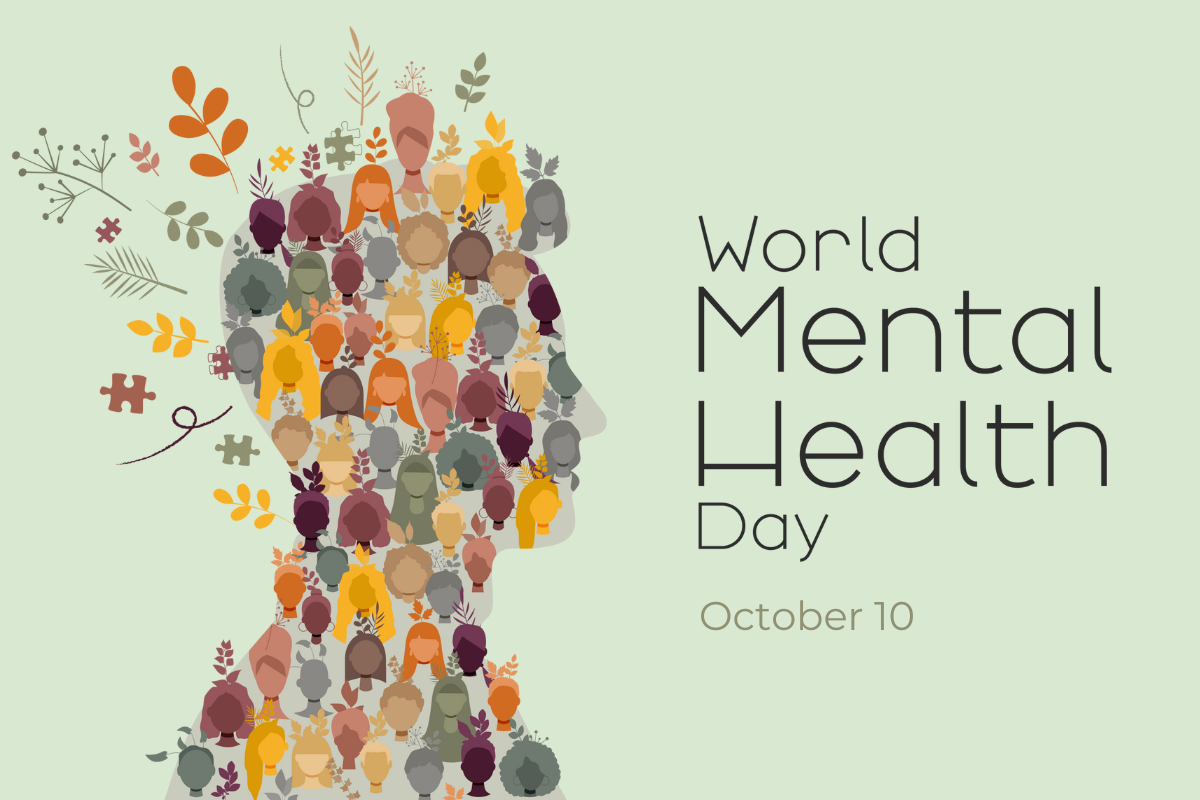
Every year on October 10, World Mental Health Day invites us to pause and reflect on an issue that touches every one of us — the need for emotional balance, inner strength, and care in the face of life’s constant demands. For women in global mobility, this conversation takes on special significance.
We work in a field that never sleeps — where time zones blur, cultures collide, and the emotional weight of transition often lands in our inboxes long before sunrise. We support relocating families, manage the expectations of executives, and navigate compliance, budgets, and logistics — all while balancing our own families, careers, and personal goals.
It’s no wonder mental health has become a core leadership topic rather than a personal afterthought.
The Invisible Load Women in Mobility Carry
Behind the polished success stories of international moves are the unseen responsibilities that women — especially women leaders — shoulder every day.
Women in global mobility often function as the emotional anchor in their organizations and families. They’re expected to bring empathy to client care, stability to uncertain moves, and optimism in moments of change. But this emotional labor, though rarely discussed, can be deeply draining.
Add to that the pressures of perfectionism, the constant need to “be on,” and the complexity of managing multiple cultures and personalities — and the toll becomes clear. Many women in mobility quietly report burnout, compassion fatigue, and a lingering sense that their own needs come last.
World Mental Health Day is a reminder that we can’t pour from an empty cup — even in an industry built on helping others move forward.
The Theme of 2025: “Mental Health is a Universal Human Right”
This year’s global theme highlights something vital: access to mental health support isn’t a luxury — it’s a right.
Within corporate environments, that means mental health should be integrated into policy, leadership, and mobility design, not just offered as an optional employee benefit. As leaders in relocation and talent management, we have the power to build emotionally intelligent programs that acknowledge the human side of moving.
That starts with asking new questions:
- How are we supporting the emotional transition of relocating employees and families?
- Do our policies allow space for mental health support, adjustment periods, and connection?
- How are we modeling boundaries and care within our own teams?
When companies recognize that mobility is not just logistical but psychological, they create environments where both employees and leaders can thrive.
Creating Space for Mental Wellness in a Global Industry
Women of Global Mobility was founded on the belief that we’re stronger when we connect and care for one another. On this World Mental Health Day, we’re encouraging our members — and the companies we represent — to intentionally make space for mental wellness.
Here are three practical ways to start:
1. Normalize the Conversation
Talk about burnout, isolation, and emotional load openly. Whether in your team meetings or leadership circles, acknowledge that these challenges exist and deserve support.
When leaders model vulnerability, others feel permission to be human too.
2. Redefine Success
In global mobility, success often looks like efficiency, speed, and flawless execution. But true leadership also includes sustainability. Celebrate moments of rest, clarity, and connection. Reward quality of presence — not just quantity of output.
3. Support Each Other Across Borders
As a global community of women, our empathy is our strength. Reach out to a colleague in another time zone. Ask how they’re doing — not just what they’re doing. Sometimes, the most powerful thing you can offer is presence.
A Message to Every Woman in Mobility
You’re not alone in the pressure you feel.
You’re not weak for needing rest.
And you’re not behind because you’re choosing balance over burnout.
The truth is, mental health is leadership work. When you tend to your emotional wellness, you show others what sustainable success looks like. You give permission to every woman watching you — colleague, client, or family — to do the same.
As we recognize World Mental Health Day, let’s lead the way in redefining what strength looks like in our industry. Let’s choose compassion — for others, and for ourselves.
Because when women in mobility are well, the entire world moves better.
💬 Join the Conversation
How are you prioritizing mental health in your work or your team?
Share your reflections in our Women of Global Mobility LinkedIn group or tag #WomenofGlobalMobility and #WorldMentalHealthDay to join the movement toward a healthier, more human workplace.